ADHD
ADHD Shared Care in Walthamstow: Understanding GP Prescribing and Ongoing Support
Published
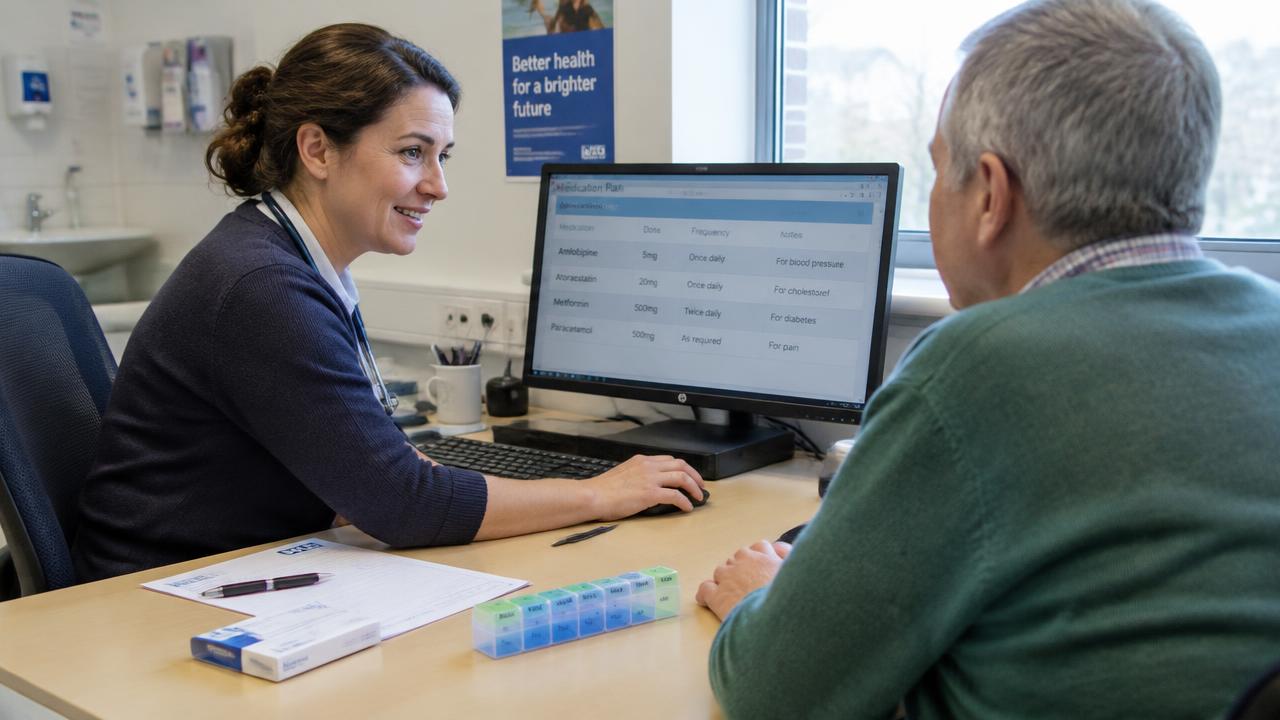
For adults who have received an ADHD diagnosis and started medication with a specialist, understanding what happens after treatment has stabilised is an important part of ongoing care. ADHD shared care is an arrangement in which a specialist service and a GP work together to support treatment, including prescribing and health monitoring, when the necessary clinical conditions and responsibilities have been agreed.
At Higham Hill Medical Centre, eligible adults registered with the practice can request consideration for ongoing ADHD prescribing through the North East London adult ADHD ongoing-care pathway. Acceptance depends on factors such as a confirmed diagnosis, stable medication, specialist involvement and sufficient clinical information to support safe prescribing.
If you are registered with the practice and would like your circumstances reviewed, contact our team on 020 8527 2677 or submit the ADHD shared-care request form through the practice website.
What is ADHD shared care?
ADHD shared care is a formal arrangement between a patient, their specialist ADHD service and their GP. Once treatment has been initiated and stabilised by an appropriate specialist, some ongoing prescribing and monitoring responsibilities can be transferred to primary care, provided the GP agrees and the relevant shared-care arrangements are in place.
The specialist remains an important part of the patient's care. The arrangement should set out who is responsible for prescribing, monitoring, reviewing treatment and responding to concerns. It is not simply a transfer of prescriptions from one service to another.
NICE guidance recommends that, after titration and dose stabilisation, prescribing and monitoring of ADHD medication should be carried out under shared-care protocol arrangements with primary care. The practical process depends on the local pathway and whether the GP practice can safely accept the responsibilities.
ADHD shared care GP Walthamstow: Who can request it?
An ADHD shared care GP Walthamstow service is relevant to adults who are registered locally and are already receiving established specialist treatment. The practice's current ADHD shared-care information says it can usually consider requests where the patient meets the following conditions:
- The patient is aged 18 or over.
- The patient is registered with Higham Hill Medical Centre.
- There is a confirmed ADHD diagnosis.
- Medication has already been initiated and titrated by an appropriate specialist service.
- The medication dose is stable, with no immediate changes required.
- The practice has received enough information from the specialist to prescribe safely.
Meeting these criteria does not automatically mean a request will be accepted. The prescribing team needs to review the clinical information and confirm that the arrangement is appropriate for the individual patient.
If you are unsure whether your treatment is considered stable or whether your specialist has supplied the required information, contact the practice for guidance before assuming that prescribing can be transferred.
Understanding the adult ADHD shared care pathway
The adult ADHD shared care pathway is intended to support continuity between specialist treatment and ongoing GP care. It generally begins after a specialist has completed the assessment, initiated medication and made any necessary dose adjustments.
The practice describes the request and review process in three stages:
- Submit your details: Complete the online ADHD shared-care request form and provide information about your diagnosis, specialist service and current medication.
- Clinical review: The prescribing team reviews the information available, including the treatment plan and monitoring details, to determine whether ongoing prescribing can be supported safely.
- Ongoing care, if accepted: Once the practice has agreed to the arrangement, routine prescriptions and monitoring can be managed in line with the agreed plan. An ADHD medication review will normally be required at least once a year.
The review stage is important. A diagnosis letter alone might not provide all the information needed for safe ongoing prescribing. The practice may need details of the medication, current dose, treatment response, relevant monitoring and the specialist's plan for continued involvement.
ADHD medication prescribing NHS: What does the GP manage?
ADHD medication prescribing NHS arrangements depend on the treatment stage and the responsibilities accepted by the GP and specialist. In shared care, the GP can take on routine prescribing and agreed monitoring after treatment has been stabilised, while the specialist remains available for advice and clinical input as set out in the arrangement.
At Higham Hill Medical Centre, the practice's current information states that it does not normally initiate ADHD medication or undertake titration as part of the shared-care process. These stages should be managed by an appropriate specialist service before ongoing prescribing is considered for transfer.
This distinction matters because medication initiation and titration can involve changes to the dose, assessment of treatment response and monitoring for side effects. A patient whose medication is still being adjusted will generally need continued specialist management rather than routine repeat prescribing through shared care.
The GP's role is therefore based on the agreed treatment plan and the practice's ability to undertake the required clinical responsibilities. Shared care should not be assumed until the practice has reviewed and accepted the request.
What monitoring is involved?

Ongoing monitoring helps clinicians review whether ADHD medication remains appropriate and whether any concerns need further assessment. The practice states that patients will normally need an annual medication review, alongside up-to-date measurements such as blood pressure, pulse, weight and BMI.
The precise monitoring plan depends on the medication, the patient's circumstances and the agreed clinical protocol. Patients should attend requested reviews and provide information about changes in symptoms, side effects or other health concerns.
If monitoring is overdue, the practice might not be able to continue prescribing safely until the necessary checks have been completed. Patients should contact the practice if they are unsure which measurements or review appointments are due.
What happens if your medication needs to change?
Shared care is generally intended for patients whose ADHD medication is stable. If symptoms change significantly, important side effects develop or the dose needs adjusting, specialist advice or a referral back to the ADHD service might be needed.
The practice's current guidance explains that medication changes or re-titration will usually require specialist ADHD input. Patients should not change their dose or stop prescribed medication without appropriate clinical advice.
If you experience a concern about your treatment, contact the clinician or service responsible for your current care. The practice can advise on the appropriate next step based on the shared-care arrangement and the information available.
Private ADHD diagnoses and Right to Choose
Patients who received an ADHD diagnosis entirely through a private provider might need additional NHS specialist verification before the practice can consider taking over prescribing. The practice advises that it will review the available information and explain the appropriate pathway for the individual case.
Right to Choose is a route for eligible patients in England to access certain NHS-commissioned services. However, receiving an assessment through a chosen provider does not, by itself, guarantee that a GP will accept prescribing or monitoring responsibilities. The specialist and GP need to agree the relevant shared-care arrangement, and the practice must be satisfied that it can provide the care safely.
If your assessment or treatment took place outside the NHS, provide the practice with the relevant reports and specialist details when making an enquiry. This helps the prescribing team understand the treatment history and identify whether further information or review is required.
How to request ADHD shared care at Higham Hill Medical Centre
Adults registered with the practice who are already taking stable ADHD medication can ask the team to consider an ongoing prescribing arrangement.
Before submitting a request, prepare the details of your diagnosis, the specialist service involved, your current medication and dose, and any available treatment or monitoring information. The practice can then review the request and advise whether the information is sufficient or whether further details are needed.
Submitting a request does not mean that shared care has been approved. Continue following the prescribing and review arrangements already in place until the practice and specialist have confirmed any change in responsibility.
Frequently Asked Questions
1. Will Higham Hill Medical Centre start my ADHD medication?
The practice's current ADHD shared-care page states that medication should normally be initiated and titrated by an appropriate specialist service before ongoing prescribing is considered for transfer. If you have not started treatment or your dose is still being adjusted, contact your specialist service to discuss the next stage of care.
2. Can my GP change my ADHD medication dose?
Medication changes and re-titration will usually require specialist ADHD input. If your symptoms change or you experience significant side effects, contact the clinician responsible for your treatment so that the appropriate review can be arranged.
3. How often will I need an ADHD medication review?
The practice states that patients accepted into shared care will normally need a medication review at least once a year. You will also need up-to-date monitoring information, including blood pressure, pulse, weight and BMI, in line with your care plan.
4. Does a private ADHD diagnosis qualify for shared care?
A private diagnosis does not automatically qualify a patient for GP prescribing. The practice might require NHS specialist verification or additional clinical information before it can consider taking over ongoing medication management.
5. What if my shared-care request is not accepted?
If the practice cannot accept the arrangement, ask for clarification about the reason and which service remains responsible for prescribing and monitoring. Your specialist service should be informed so that continuity of treatment can be discussed and an appropriate plan agreed.
Contact Higham Hill Medical Centre
ADHD shared care is designed to support ongoing treatment when the patient's medication is stable and the responsibilities of the GP and specialist are clear. The first step is to submit the relevant information so the practice can review your circumstances and explain the available pathway.
If you are registered with Higham Hill Medical Centre and would like to ask about ADHD shared care, contact the practice or use the online request form.
Higham Hill Medical Centre
258–260 Higham Hill Road
Walthamstow, London E17 5RQ
Telephone: 020 8527 2677
Email: nelondonicb.highamhill@nhs.net
For urgent medical advice when the practice is closed, use NHS 111. If you are experiencing a life-threatening emergency, call 999.