Health support
Symptoms of High Blood Pressure: Signs You Should Know
Published
What Are the Symptoms of High Blood Pressure?
The symptoms of high blood pressure are often difficult to recognise because most people do not experience any noticeable changes in how they feel. Also known as hypertension, high blood pressure can remain undetected for years unless it is checked through a blood pressure measurement.
Some people search for the signs of high blood pressure after experiencing headaches, blurred vision or other unexplained symptoms. However, these symptoms do not necessarily mean someone has hypertension, and many people with high blood pressure feel perfectly well.
Regular blood pressure checks are important, particularly for people with risk factors such as a family history of hypertension, increasing age, smoking or a diet high in salt.
If you are concerned about your blood pressure, explore our GP and long-term condition services or contact the practice to ask about the appropriate next step.
What Are the Common Signs of High Blood Pressure?
High blood pressure usually has no obvious signs. When symptoms do occur, they can include headaches, blurred vision and chest pain, but these are not reliable ways to identify the condition.
Understanding the difference between possible symptoms and confirmed hypertension can help you decide when to seek medical advice.
1. Frequent Headaches
Headaches are often associated with high blood pressure in online searches, but an ordinary headache does not establish that someone has hypertension. Headaches have many possible causes, including dehydration, stress, migraine and other health conditions.
If you experience frequent or persistent headaches, particularly alongside other symptoms, seek advice from NHS 111 or your GP practice. Do not assume that your blood pressure is responsible without having it checked.
2. Blurred Vision
Blurred vision can sometimes occur alongside high blood pressure, but it can also result from eye problems, migraine and other conditions. Sudden changes in vision need particular attention, especially when accompanied by other new symptoms.
If you often experience blurred vision or headaches and are concerned they could be related to your blood pressure, contact NHS 111 for advice.
3. Chest Pain
Chest pain should never be dismissed as an ordinary symptom of high blood pressure. It can have several causes, some of which require urgent medical attention.
Call 999 if you experience sudden chest pain or discomfort that does not go away, particularly if the pain spreads to your arm, neck, jaw, stomach or back, or occurs with sweating, nausea, light-headedness or shortness of breath. Do not drive yourself to hospital.
4. Feeling Unwell Without an Obvious Explanation
Some people become concerned about hypertension after noticing changes in their general wellbeing. However, tiredness, dizziness and other vague symptoms cannot confirm high blood pressure.
If something feels unusual or persistent, seek appropriate medical advice instead of relying on symptoms or online self-diagnosis.
Why Can High Blood Pressure Go Unnoticed?
High blood pressure can develop without producing any obvious warning signs. This is one reason why checking your blood pressure matters even when you feel healthy.
When blood pressure remains too high, it places additional strain on blood vessels and organs, including the heart, brain, kidneys and eyes. Over time, untreated hypertension increases the risk of serious conditions such as heart disease, stroke and kidney disease.
Several factors can increase a person's likelihood of developing high blood pressure:
- Age: The likelihood of hypertension increases as people get older.
- Family history: Having close relatives with high blood pressure can increase risk.
- Diet: Regularly eating too much salt can contribute to raised blood pressure.
- Smoking: Smoking increases cardiovascular risk.
- Weight and activity: Being overweight and having a physically inactive lifestyle can contribute to high blood pressure.
- Alcohol: Drinking too much alcohol can increase blood pressure.
- Long-term health factors: Certain medical conditions and other individual factors can affect blood pressure.
Having one or more risk factors does not automatically mean you have hypertension. A blood pressure check is the practical way to find out whether your reading is raised.
How Do You Know If You Have High Blood Pressure?
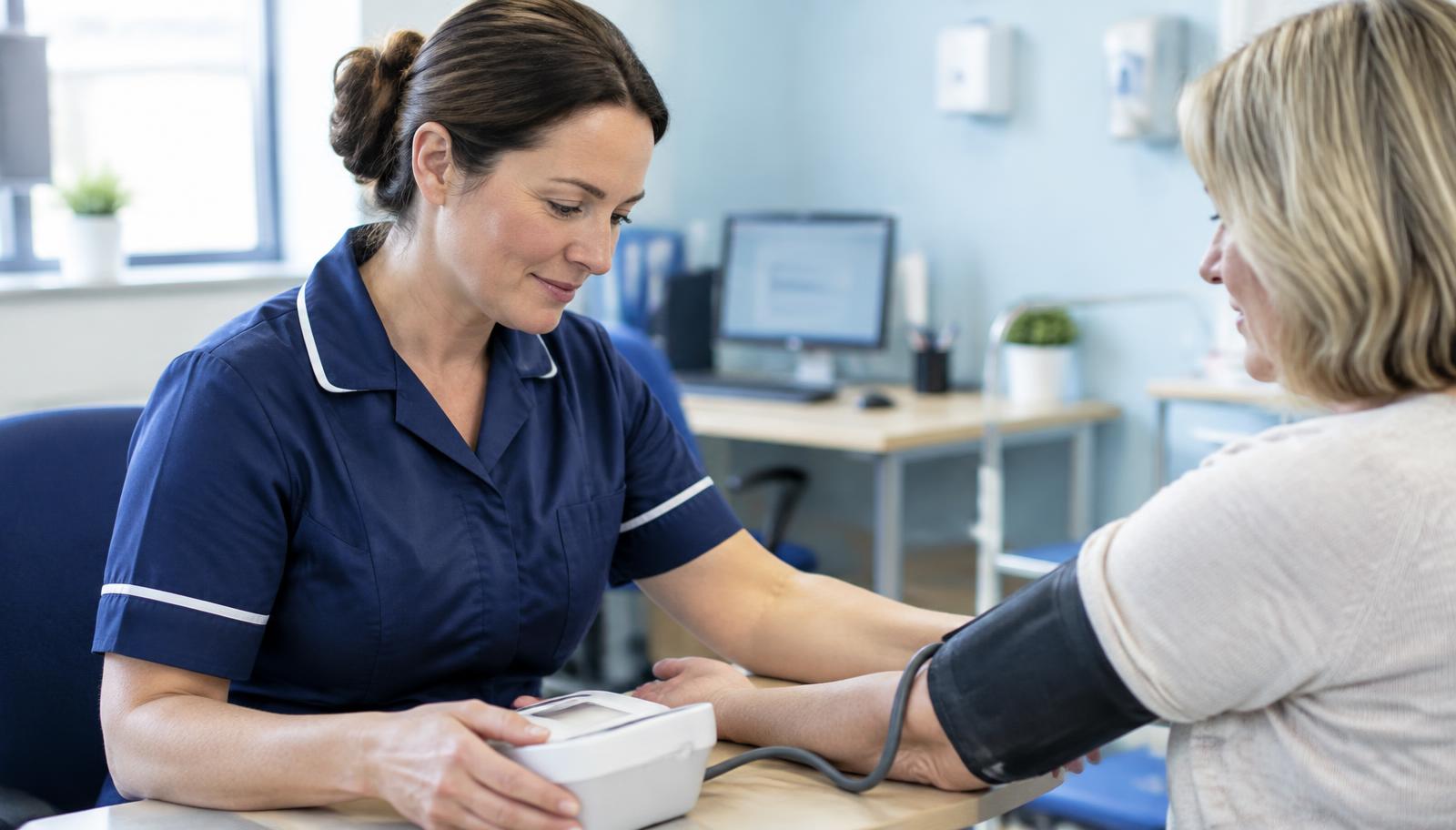
The only reliable way to identify high blood pressure is to measure it. A GP, nurse or other appropriately trained healthcare professional can check your reading using an inflatable cuff placed around your upper arm.
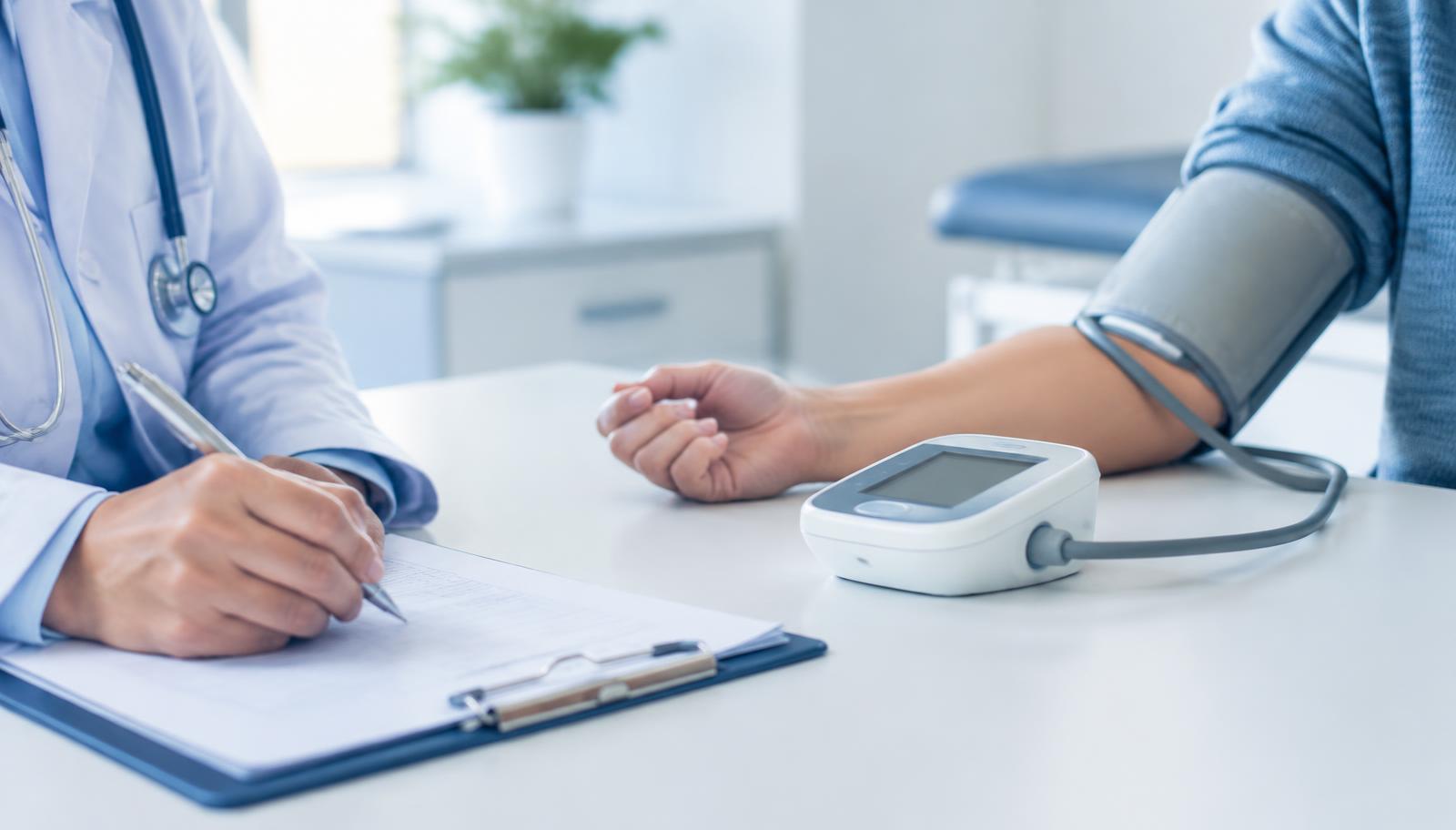
Blood pressure is recorded using two numbers. The first measures systolic pressure, which is the pressure when the heart pumps blood. The second measures diastolic pressure, which is the pressure between heartbeats.
For adults, NHS guidance generally considers blood pressure to be high when it is 140/90 mmHg or above in a clinical setting, or 135/85 mmHg or above when measured at home.
A single reading does not always establish a diagnosis. If your result is raised, a healthcare professional might recommend repeat measurements or a home or 24-hour monitor to confirm whether hypertension is present.
You can read the NHS guidance on blood pressure testing to understand what happens during a check and how readings are assessed.
What Should You Do If Your Blood Pressure Is High?
If a blood pressure reading is higher than expected, follow the advice of your healthcare professional. Depending on the result and your circumstances, you might need further measurements, a review of your health or treatment to manage the condition.
Managing high blood pressure often involves a combination of lifestyle changes and, when necessary, prescribed medication.
Make Changes to Your Daily Routine
Practical changes can help lower blood pressure and support cardiovascular health. These include:
- Reducing salt intake and following a balanced diet.
- Maintaining a healthy weight where appropriate.
- Taking regular physical activity suited to your health and abilities.
- Limiting alcohol consumption.
- Stopping smoking.
- Following advice about sleep, stress and other relevant health factors.
These measures can be helpful, but they are not a substitute for prescribed treatment when medication is needed.
Attend Follow-Up Appointments
People diagnosed with hypertension often need ongoing monitoring to check how well their blood pressure is controlled. A healthcare professional can review readings, assess risk factors and decide whether treatment needs to be adjusted.
If you take medication for high blood pressure, do not stop or change the dose without medical advice. You can use our prescription services for information about repeat prescriptions and medication-related queries.
How Higham Hill Medical Centre Supports Patients With High Blood Pressure
At Higham Hill Medical Centre, patients can access GP care, nursing services, medication reviews and monitoring for long-term conditions, including high blood pressure.
The appropriate support depends on your symptoms, medical history and current treatment. A clinician can advise whether you need an assessment, follow-up monitoring or a review of your existing management plan.
Patients who have already been diagnosed with hypertension should continue attending recommended reviews, even when their readings improve or they feel well. Keeping track of blood pressure and taking medication as prescribed are important parts of ongoing care.
If you have concerns about your blood pressure, use the practice's online contact service or telephone the surgery to ask how to proceed. Please do not use email to submit medical requests.
Frequently Asked Questions
1. Can you have high blood pressure without symptoms?
Yes. Most people with high blood pressure do not notice any symptoms, which means the condition can go undetected. Regular checks are particularly important if you have risk factors or have not had your blood pressure measured for some time.
2. What are the first signs of high blood pressure?
There are often no first signs. Headaches, blurred vision and chest pain can sometimes occur, but they are not reliable indicators of hypertension and can have other causes.
3. Should I get my blood pressure checked if I feel healthy?
Yes. Feeling well does not rule out high blood pressure. The NHS advises adults aged 40 and over who have not had their blood pressure checked for more than five years to arrange a check; people with relevant risk factors or concerns should seek advice sooner.
4. Can high blood pressure be treated?
Yes. High blood pressure can often be managed through lifestyle changes, prescribed medication or a combination of both. The right approach depends on your readings, overall cardiovascular risk and individual health needs.
When should I seek urgent medical advice?
Contact NHS 111 if you often have headaches or blurred vision, experience chest pain that comes and goes, or have other symptoms you are concerned might be related to high blood pressure. Call 999 for sudden chest pain that does not go away or chest pain accompanied by the emergency warning signs described above.
Arrange Advice About Your Blood Pressure
High blood pressure can remain unnoticed for a long time, so waiting for symptoms is not a reliable way to identify it. A blood pressure check, followed by appropriate clinical advice, can help you understand your reading and decide whether further monitoring or treatment is needed.
If you are concerned about hypertension or need support with an existing diagnosis, contact Higham Hill Medical Centre to ask about the appropriate care pathway.
Call 020 8527 2677 or visit our services page to find out how to contact the practice.
Practice contact details
Higham Hill Medical Centre
258–260 Higham Hill Road, Walthamstow, London E17 5RQ
Telephone: 020 8527 2677
Email: nelondonicb.highamhill@nhs.net
For medical requests, please telephone the practice or use its online contact service rather than email. If you have a life-threatening emergency, call 999. For urgent advice when the practice is closed, call NHS 111.