Travel health
Travel Vaccinations Before You Go: An NHS Guide for Walthamstow Travellers
Published
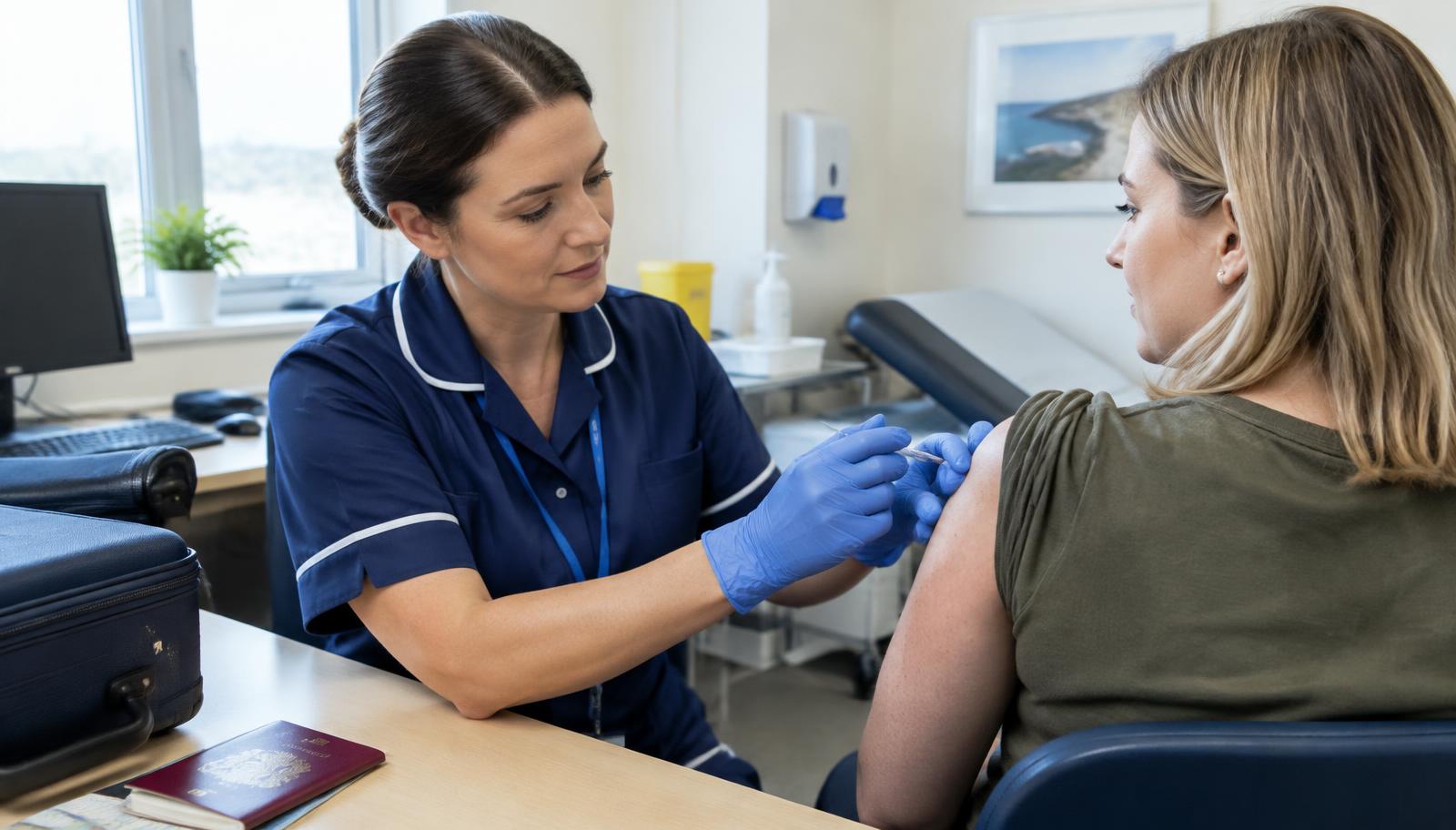
Planning a holiday, visiting family overseas or preparing for a longer trip? Checking your travel health requirements before departure can help you avoid preventable illness and last-minute problems. The vaccinations you need depend on your destination, the areas you plan to visit, how long you will stay and your medical history.
If you are looking for travel vaccinations near me in Walthamstow, start by checking the advice for your destination and contacting your GP practice early. Registered patients can request a travel vaccination assessment to find out which NHS vaccines are available at the surgery and where to access any additional vaccinations they need.
Planning to travel? Contact our practice to arrange a travel vaccination assessment as early as possible, ideally six to eight weeks before departure.
Why Should You Arrange Travel Vaccinations Before Leaving the UK?
Travel vaccinations help protect against infections that are more common in certain parts of the world. Some illnesses pose a risk only in particular regions, while others depend on your activities, accommodation and length of stay.
For example, a traveller spending two weeks at a resort can face different health risks from someone staying with relatives in a rural area for several months. A backpacking trip involving several countries also requires a different assessment from a short city break.
A travel health assessment helps identify the precautions relevant to your plans. It can cover:
- Vaccinations recommended or required for your destination.
- Whether your routine NHS vaccinations are up to date.
- Malaria risk and whether preventive medication is appropriate.
- Food and water safety precautions.
- Advice on insect bites and other destination-specific health risks.
The aim is to make decisions based on your actual itinerary rather than assuming that everyone visiting the same country needs identical protection.
How to Find the Right Travel Vaccinations in Walthamstow
Choosing the right vaccines starts with understanding where you are going and what you will be doing. Country-specific recommendations can change, and some countries have different requirements for individual regions or travellers arriving from particular locations.
The NHS recommends seeking travel vaccination advice at least four to six weeks before departure. Contacting your practice six to eight weeks in advance, as recommended by our service, gives additional time to arrange a course of doses where needed.
If you are searching for a travel clinic London residents can approach, check what the provider actually offers before making an appointment. Some services provide NHS vaccinations, while others offer private vaccines or specialist travel health consultations.
At our practice, the nursing team can assess your travel plans, provide the NHS travel vaccinations available at the surgery and advise you where to go for vaccines that are not offered there. The service is available to registered patients of all ages.
What information should you prepare?
Before requesting an appointment, gather the following details:
- Destination: List every country you intend to visit, including stopovers where relevant.
- Travel dates: Include your departure date and approximate length of stay.
- Type of trip: Explain whether you are taking a resort holiday, visiting relatives, travelling for work or staying in remote areas.
- Previous vaccinations: Bring any records you have or check your vaccination history through the NHS App.
- Relevant health information: Tell the healthcare professional about medical conditions, pregnancy, medicines or previous serious reactions to vaccines.
These details help the clinical team assess your circumstances and identify the next steps.
Which Travel Vaccinations Are Available on the NHS?
Some travel vaccinations are available free through the NHS, while others require a private appointment and payment. Availability depends on the vaccine, clinical eligibility and the service providing it.
NHS travel vaccinations commonly include protection against hepatitis A, typhoid, cholera and polio through the combined tetanus, diphtheria and polio vaccine, where indicated. The precise recommendation depends on your destination and individual risk assessment.
Other vaccinations, including those for rabies, hepatitis B, Japanese encephalitis and tick-borne encephalitis, are not routinely available as NHS travel vaccinations. These generally need to be arranged privately when recommended. Yellow fever vaccination is available only at designated vaccination centres.
Do not assume that every vaccine is necessary simply because you are travelling abroad. Equally, do not dismiss a recommendation because you are visiting a familiar destination. A clinician can help you understand which precautions are relevant to your trip.
For official information, consult the NHS travel vaccinations guidance before requesting an assessment.
Travel Health Advice NHS Guidance: More Than Just Vaccines
Vaccination is one part of preparing for travel. travel health advice NHS resources also cover infection prevention, malaria, food safety and other risks that vary by destination.
Malaria prevention
Malaria occurs in some countries and regions but not others. Whether you need preventive medication depends on the exact area you are visiting, the season, your activities and your personal circumstances.
Depending on the destination, advice can include taking prescribed antimalarial medication, avoiding mosquito bites and seeking urgent medical attention if symptoms develop after travel to a malaria-risk area. No preventive measure removes every risk, so follow the advice specific to your itinerary.
Food and water safety
Contaminated food and water can cause illnesses that disrupt a holiday or lead to more serious complications. Before travelling, find out whether tap water is safe to drink at your destination and take care with food preparation, storage and hygiene.
Practical precautions include washing your hands before eating, choosing food that has been properly cooked and following local advice about drinking water and ice.
Insect bites and other local risks
Mosquitoes and other insects can transmit infections in some destinations. Depending on where you are travelling, protective clothing, suitable insect repellent and accommodation with effective screens or mosquito nets can be important.
The right precautions differ between destinations. Check the current TravelHealthPro country information for specific recommendations, including malaria information and vaccination guidance.
Travelling with Children: What Parents Should Check
Family travel needs a little extra planning because children's vaccination requirements and medication recommendations can differ from those for adults.
Before taking a child abroad, check that their routine immunisations are up to date and ask whether additional travel vaccinations are recommended. The appropriate advice depends on the child's age, medical history, destination and length of stay.
For example, a family visiting relatives for several weeks might have different exposure risks from one spending a short time in a major city. If the trip includes rural areas, outdoor activities or extended stays, mention these details when requesting an assessment.
Parents should also ask about insect bite prevention, safe drinking water, food hygiene and what to do if a child becomes unwell while abroad.
The travel vaccination service at Higham Hill Medical Centre is available to registered patients of all ages. Contact the practice early enough to allow time for any recommended doses and follow-up appointments.
Do You Need a Vaccination Certificate for International Travel?
A vaccination certificate is official evidence of a particular vaccination when one is required for travel. However, not every destination requires a certificate, and having a vaccination record is not the same as meeting every country's entry requirements.
People searching for a vaccination certificate in UK should check the rules for their destination and any countries they will transit through. An International Certificate of Vaccination or Prophylaxis (ICVP), for example, can be required for yellow fever vaccination in certain circumstances.
Yellow fever vaccination and the associated certificate are available through designated yellow fever vaccination centres, not through every GP surgery. A first yellow fever certificate becomes valid 10 days after vaccination, so leaving arrangements until the last minute can cause problems.
Before travelling, check the latest official country requirements through TravelHealthPro and the UK Government's foreign travel advice. Requirements can change, so do not rely solely on information from an older booking confirmation or a previous trip.
When Should You Book Your Travel Vaccination Appointment?
Ideally, contact your GP practice six to eight weeks before departure. Some vaccines require more than one dose, and the time between doses matters. Starting early also leaves time to arrange private vaccinations if they are recommended but unavailable at the surgery.
If your departure date is approaching, contact the practice rather than assuming there is no point in asking. The team can explain the available options and direct you to an appropriate service if necessary. However, there is no guarantee that every recommended vaccination can be completed before a last-minute departure.
How to request an assessment
Registered patients can follow these steps:
- Prepare your itinerary. Include countries, dates and the type of trip.
- Submit an online request. Use the travel vaccination information on the practice website during practice hours.
- Alternatively, call the practice. Telephone 020 8527 2677, Monday to Friday, between 8am and 6.30pm.
- Follow the advice provided. The team will explain the vaccinations available at the surgery, any further appointments needed and where to arrange vaccines that are not available through the NHS service.
You can find the full instructions on our travel vaccinations service page.
Frequently Asked Questions About Travel Vaccinations
1. Can I get travel vaccinations near me through my GP?
Registered patients can request a travel vaccination assessment through their GP practice. The practice will explain which NHS travel vaccinations are available at the surgery and direct patients to an appropriate provider for other vaccines when necessary.
2. Are travel vaccinations free on the NHS?
Some travel vaccinations are available free through the NHS when clinically indicated. Others, including several vaccines commonly needed for particular overseas destinations, generally require private payment. Ask about availability and costs before arranging a private vaccination.
3. How long before travelling should I have my vaccines?
Contact your practice ideally six to eight weeks before departure. Some vaccines require multiple doses, while others need time to provide protection. Your recommended schedule depends on the vaccine and your travel dates.
4. Can I get a vaccination certificate for international travel?
Some vaccinations have an associated international certificate, but certificates are not required for every destination. Yellow fever certificates are issued through designated vaccination centres. Check the entry rules for every country on your itinerary before departure.
5. Does the practice provide travel vaccinations for children?
The service is available to registered patients of all ages. Children need advice based on their age, vaccination history, destination and planned activities. Parents should share these details when requesting an assessment.
6. What if I am travelling in less than six weeks?
Contact the practice as soon as possible. The nursing team can assess what is appropriate and explain the options available. Some courses cannot be completed before departure, and you might need to contact a private travel clinic for additional vaccinations.
7. Where can I check NHS travel health advice for my destination?
The NHS website and TravelHealthPro provide country-specific information about travel vaccinations, malaria and other health risks. Review these resources before your appointment, then discuss any questions with a healthcare professional.
Plan Ahead for a Healthier Trip
A little preparation before departure can help you make informed decisions about vaccinations, malaria prevention and other travel health precautions. Start by checking the official advice for your destination, gathering your vaccination history and allowing enough time for any recommended doses.
Contact our practice to arrange a travel vaccination assessment. Registered patients can request an online assessment through our travel vaccinations service page or call 020 8527 2677, Monday to Friday, 8am to 6.30pm.
Higham Hill Medical Centre
258-260 Higham Hill Road
Walthamstow, London E17 5RQ
Telephone: 020 8527 2677
Email: nelondonicb.highamhill@nhs.net